Creative Ways To Sell Camping Tents For Your Online Camping Tents Business
Water Resistant vs Water-Resistant Tent Fabrics: What Every Camper Demands to Know
You have actually lastly found the best campground, pitched your outdoor tents, and crawled right into your sleeping bag-- just to get up at 2 a.m. to the sound of rainfall pattering overhead. Because moment, the distinction between a water resistant and a water-resistant camping tent isn't just a formality. It's the difference between a completely dry night and an unpleasant one.
These two terms obtain used mutually in gear shops and item listings at all times, but they indicate very different points. Understanding the difference before you get can conserve you a soggy, irritating experience in the field.
What Does Water-Resistant In Fact Mean?
Water-resistant materials are treated with a coating called DWR-- Resilient Water Repellent. This coating causes water to grain up and roll off the surface area of the material as opposed to soaking directly via. It's effective in light rain or quick drizzle, and it works well enough for short direct exposure to moisture.
The catch is that DWR treatments disappear. Repeated use, cleaning, compression in a things sack, and UV exposure all break down the coating in time. Once it's gone, the textile begins to "wet out," indicating it soaks up water rather than repelling it. The material does not immediately leak, however it comes to be heavier, loses breathability, and ultimately water can press through under sustained pressure.
Waterproof outdoors tents are generally lighter and more economical than their water-proof equivalents. They're a reasonable option for fair-weather outdoor camping or brief summer season trips where heavy rain is not likely. Yet they are not constructed for storms.
What Makes a Tent Really Water Resistant?
A water-proof outdoor tents goes several steps even more. The material is normally created with a polyurethane (PU) or silicone coating applied to the inner surface of the fly, producing an obstacle that proactively obstructs water from travelling through. The key metric here is hydrostatic head rating, determined in millimeters (mm).
This score tells you how much water stress the material can stand up to prior to it begins to leakage. A column of water is basically piled in addition to the textile, and the elevation at which dripping begins is the hydrostatic head rating.
Recognizing Hydrostatic Head Scores
Right here's a harsh overview to what those numbers indicate in practice:
- 1,000-- 1,500 mm: Ideal for light rainfall just-- basically waterproof area
- 1,500-- 3,000 mm: Great for modest rain and general three-season camping
- 3,000-- 5,000 mm: Outstanding for heavy rain and exposed conditions
- 5,000 mm and above: Designed for severe weather, towering settings, and expanded explorations
A lot of top quality three-season camping tents sit in the 1,500-- 3,000 mm variety. If you're camping in the Pacific Northwest, Scotland, or mountainous regions where sustained rainstorms are the standard, you'll intend to intend higher.
Seam Sealing and Why It Matters
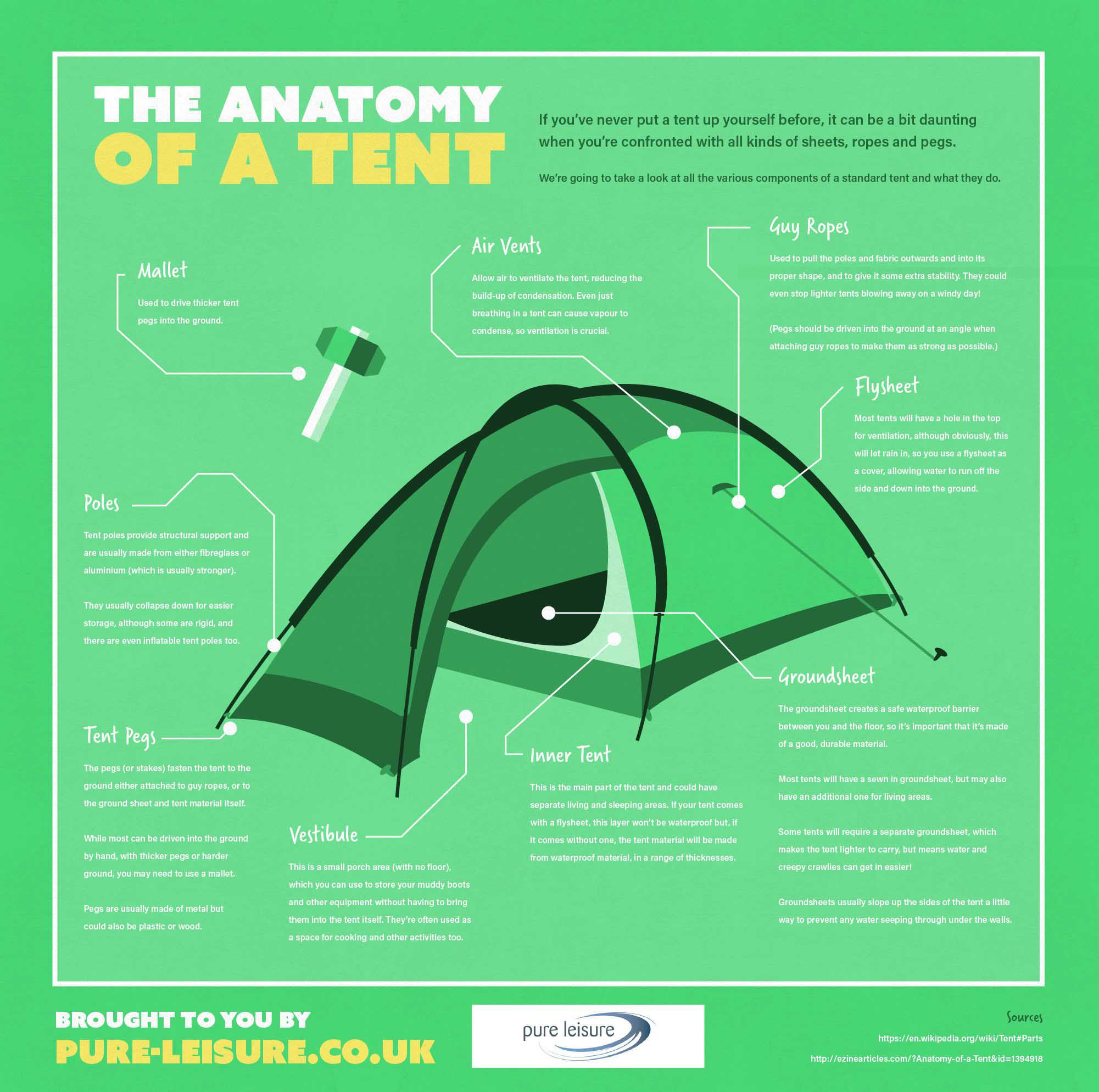
A waterproof textile alone isn't sufficient. Every needle opening from stitching is a potential entry point for water. That's why absolutely water-proof camping tents utilize taped or seam-sealed building, where strips of water resistant tape are bound over every seam on the fly and frequently the floor as well.
Spending plan tents in some cases miss this action or partially tape seams. If you're purchasing a brand-new camping tent, examine whether the joints are completely taped. If living in a wall tent you're updating an older tent, you can apply joint sealant on your own-- it's inexpensive and can make a significant difference in performance.
The Flooring Is a Different Story
Don't ignore the outdoor tents flooring. While the fly takes the rain, the floor takes direct ground pressure-- which is a much more requiring examination of waterproofing. An individual stooping or resting can put in 10,000 mm of stress or even more on the flooring material.
Great outdoor tents floorings normally bring rankings of 5,000 mm or higher for this reason. A bathtub-style flooring, where the water resistant product prolongs numerous inches up the sidewalls, includes additional protection versus pooling water and ground infiltration.
Which Should You Select?
The best choice boils down to where and when you camp. For weekend journeys in mild summer season problems, a water-resistant camping tent may offer you just great and save you money and pack weight. But if you camp regularly, venture right into unpredictable climate, or hang out in wetter climates, an effectively water resistant outdoor tents with a solid hydrostatic head rating and totally taped seams is worth every added buck.
Gear fails at the most awful times. Understanding specifically what your camping tent is-- and isn't-- designed to manage means you can load with confidence and rest peacefully, rain or shine.